%20(1).jpg)
%20(2).jpg)

%20(3).jpg)
.png)
.png)


You're exploring a vertical packaging line for fish and shellfish. Or you're weighing whether your current line still fits what your production demands. Either way, the question is the same: what makes a line genuinely suitable for fish, and where do lines that look good on paper still fall short?
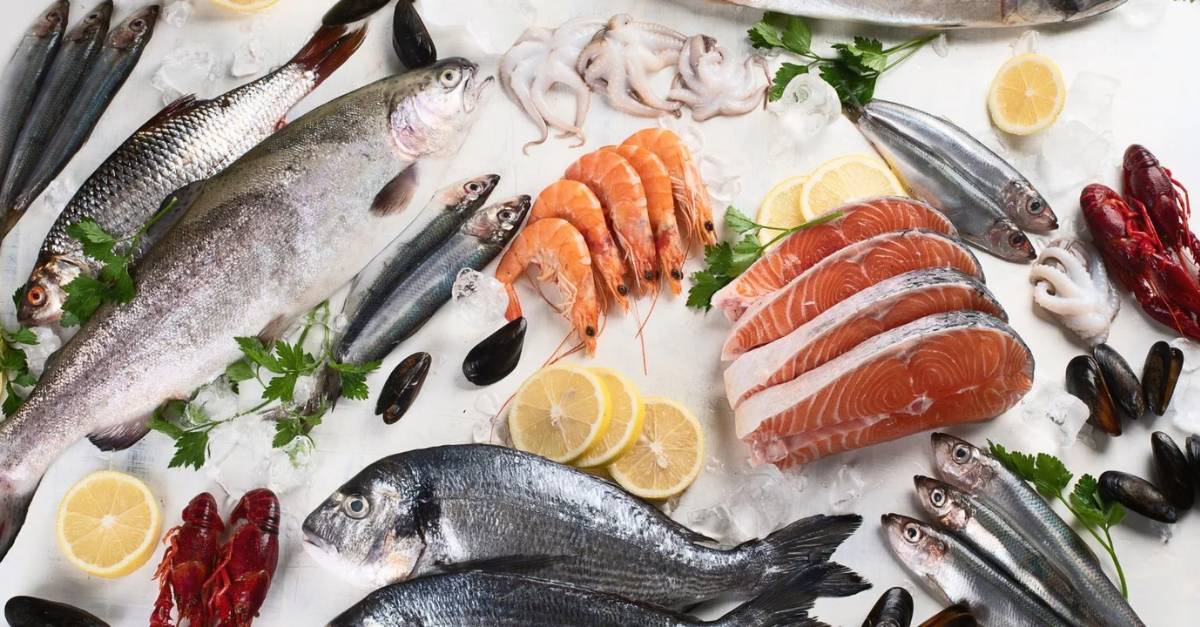
The answer starts with the product itself. As a packaging product, fish is fundamentally different from other fresh products, and those characteristics make line selection more consequential than in most other categories. A wrong choice doesn't announce itself on day one. It shows up in cleaning times that climb, weight deviations that are structural, and maintenance costs that run higher than budgeted.
In this blog, we discuss the questions you should be able to answer before choosing a line, and what it costs if you only ask them later.
Why line selection matters more with fish
With most products, a line that isn't quite optimal can still be compensated for. Fish doesn't leave that room. Its high moisture content accelerates bacterial growth at any spot that isn't fully cleanable. The variation in product forms — from fresh fillet to shrimp to processed products — is greater than in most other categories. And food safety regulations in fish processing are stricter than in many other sectors.
That combination means the consequences of a line that doesn't fit fish appear faster and are harder to correct after the fact.
Many producers choose a line based on speed or price. Those are real criteria, but they don't explain why the same machine runs trouble-free for years at one company and structurally underperforms at another. The difference lies in the fit between machine, product and production environment. And that fit calls for specific questions at the point of purchase.
Fresh or frozen: the choice that defines your entire line
Before you look at machine specifications, there's one fundamental question that largely steers your line selection: what exactly are you packaging?
Not every fish product lends itself to vertical packaging. Fresh, whole fish is an example: products like flatfish or salmon fillet break too easily to be packaged reliably on a vertical line. That calls for a different solution.
Where a vertical line is genuinely strong is frozen fish. The product is more uniform and firmer, higher speeds are possible, and film requirements are less sensitive to small variations. That doesn't make a frozen line simpler, but it does make it more predictable.
Fresh shellfish, like shrimp, also packages well on a vertical line. It's small, robust enough and variable in weight per portion — exactly the kind of product where a good weighing solution makes the difference.
Processed fish products, from nuggets to battered fish bites, call for high speed and accuracy at once. They call for a line that doesn't have to choose between one and the other.
If you want to process several of these product types on the same line, that calls for a configuration that can handle it without compromise. That's a design choice, not a setting you add later.
The four questions you should be able to answer before you choose
Question 1: Can this machine handle my product's weight variation?
Fish and shellfish are variable by nature. Shrimp by portion, fillets by piece, crustaceans and shellfish by batch: the spread is wide and calls for a weighing solution that can deal with it.
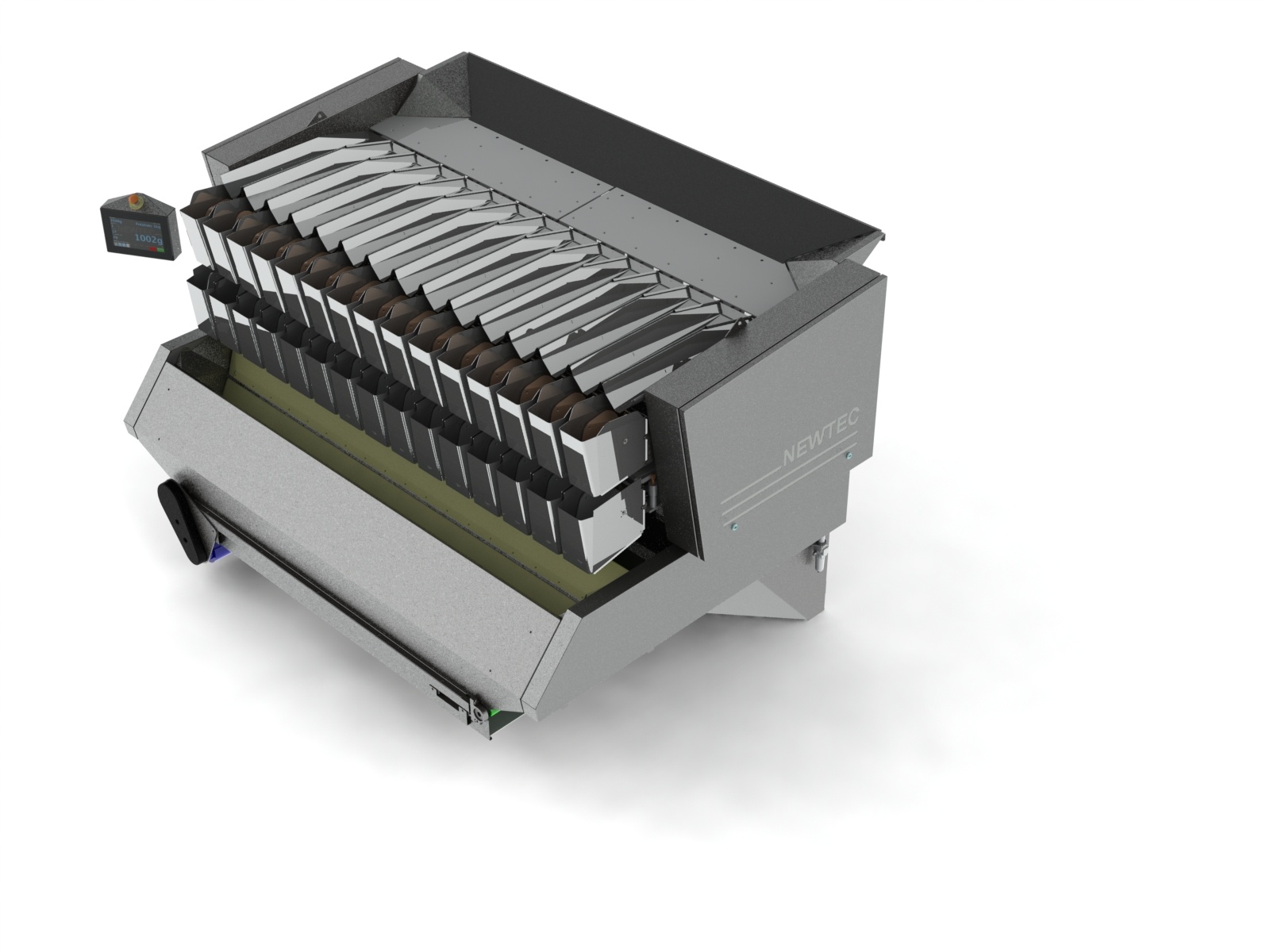
A multihead weigher combines multiple partial weights into a total weight as close as possible to the target value. For certain products, linear weighers are used as well. But the choice of weigher type, the configuration and the tuning to your specific product determine how much of that variation is actually compensated for.
At the point of purchase, ask not only about the maximum weight range, but about accuracy for your specific product type, at your weight class, and at the speed you need. Those are three separate questions.
Think ahead, too: if you package 250 grams today but want to handle 1,500 grams two years from now, the weigher has to be built for it. That's a purchasing decision, not a later adjustment.
Question 2: Is this machine genuinely cleanable in my environment?
EHEDG standards are the baseline for hygienic machine design in fish processing. But a certification isn't the same as a machine that is fully cleanable in practice, in your specific environment.
Moisture works its way into joints, fasteners and spots overlooked at the design stage. In a high-care fish environment, those are the places where microbiological risks begin. A machine that looks clean after cleaning isn't by definition fully cleanable.
The questions that matter: how long does a full cleaning cycle take in your production environment? Which parts have to be disassembled, and how long does that take? Are there spots that can't be reached without tools?
Don't put those questions to the spec sheet put them to a reference visit at a producer who handles the same product in a comparable environment.
Question 3: Can this machine handle the packaging materials the market is going to ask of me?
Thinner films, mono-material, new material specifications: the demands from retailers and legislation are changing. Not as a trend for five years out, but as a concrete requirement already on the table.
A machine built for one film type or one material thickness has a hidden limitation. Thinner films call for a more precisely set packaging machine. Mono-material behaves differently than composite films. If your machine can't handle that flexibility, you pay those costs not at purchase, but at every production schedule that doesn't work out afterward.
The question isn't whether material requirements will change. The question is whether your machine is ready when they do.
Question 4: How does this machine fit into my complete line, now and three years from now?
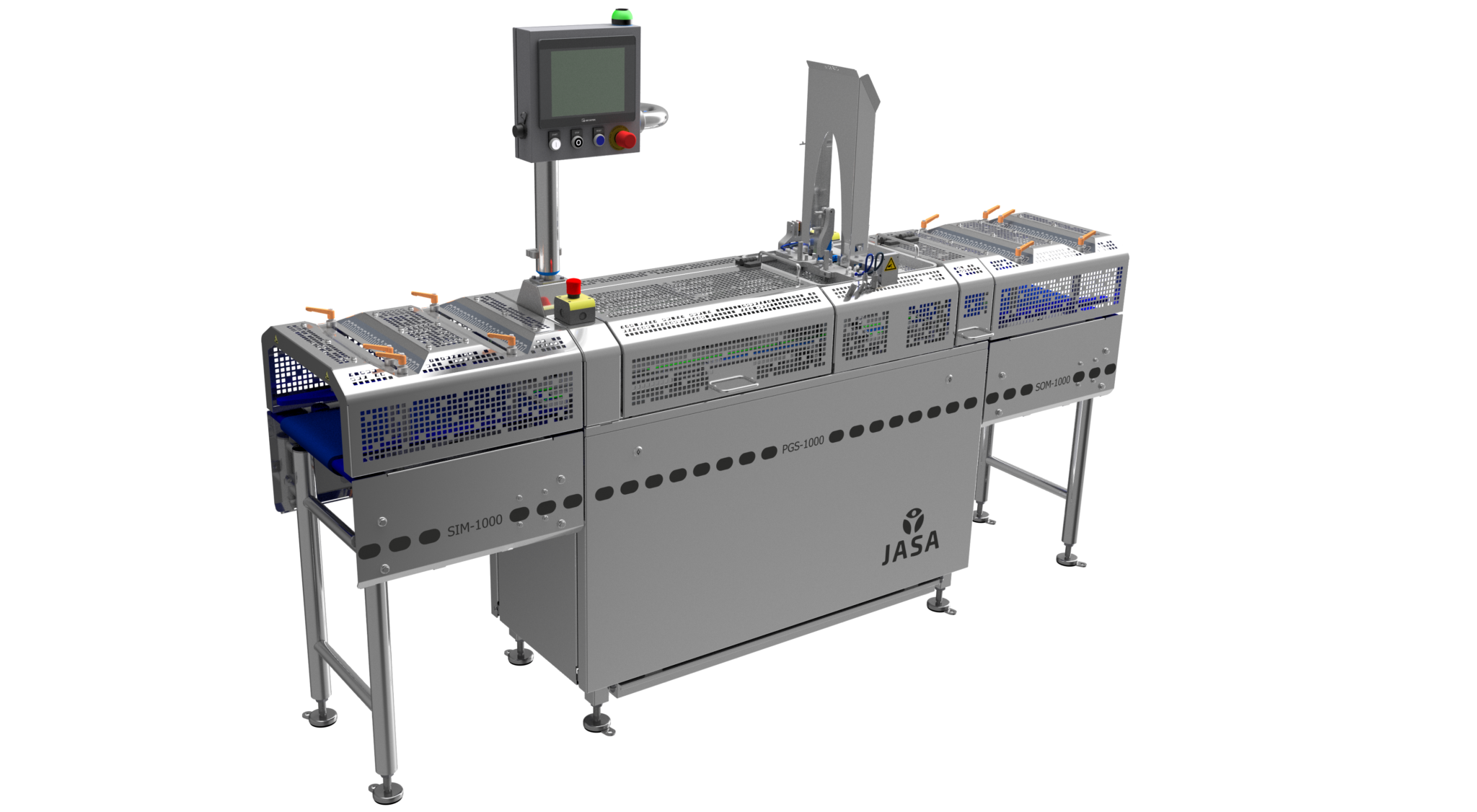
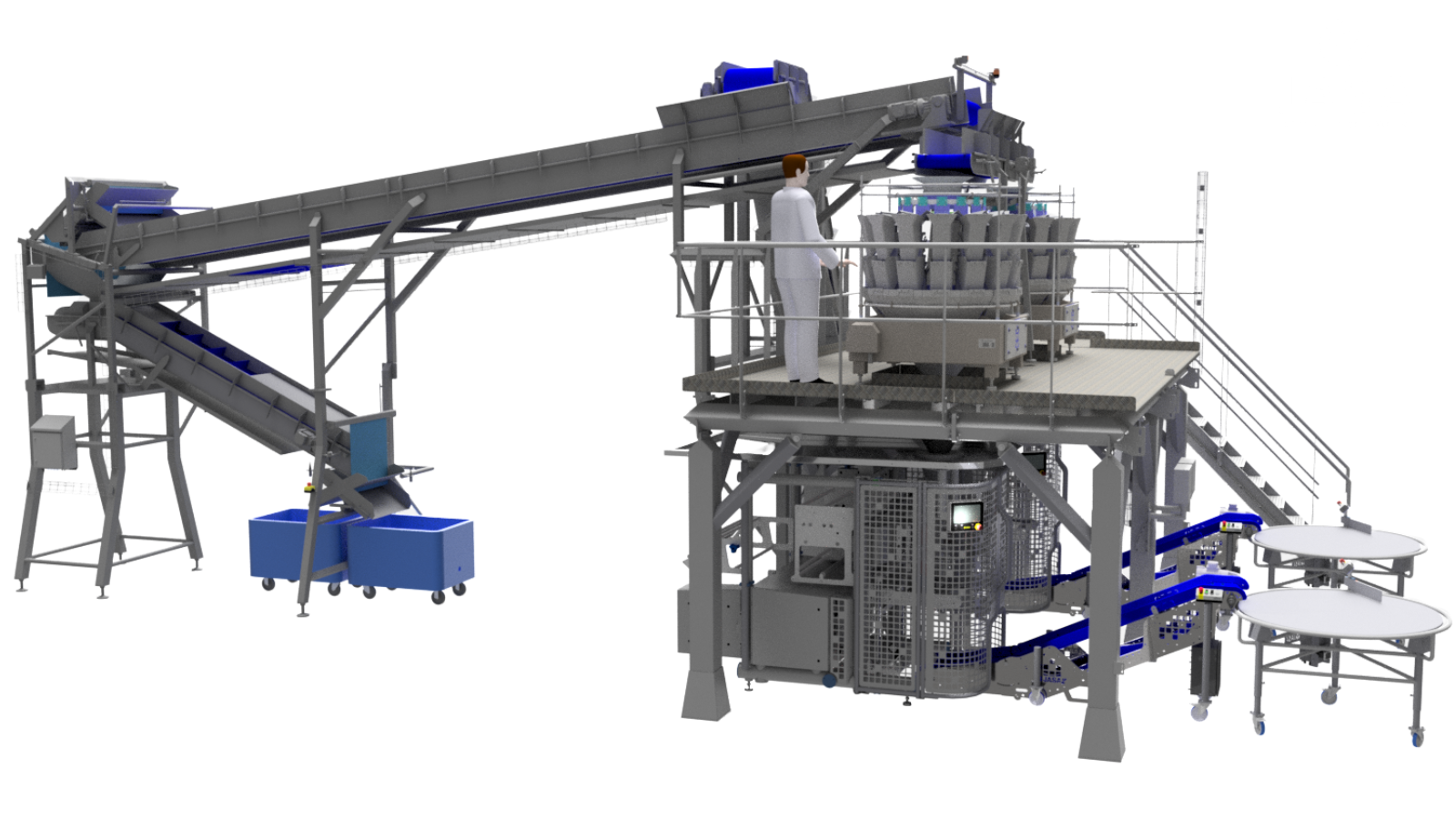
A vertical packaging machine never stands alone. Ahead of the machine there's infeed, cooling and weighing. After it there's detection, discharge and case packing. How the machine functions as part of the whole is at least as important as how it functions as a standalone machine.
Integration isn't a technical detail you solve later. It determines whether the line performs as a system or as a sum of separate machines that don't work together optimally. Think beyond the current situation: if your product portfolio grows or your production environment changes, the line has to move with it. A modular build makes that possible. A custom solution without room to expand makes it costly.
What a wrong choice costs in practice
The costs of a packaging line that doesn't fit your fish product are rarely visible in a single line item. They spread through the process.
Downtime from cleaning problems that take longer than budgeted. Rejects from weight deviations that are structural but treated as normal. Maintenance costs that run higher because the machine wasn't built for a wet high-care environment. And the least visible consequence: the flexibility that's missing when your range changes or your largest customer asks for a different pack format.
Those costs are real. They just don't appear on the quoted price.
How JASA approaches this for fish and shellfish
The four questions in this blog are exactly the questions JASA asks before proposing a configuration. Not as a sales pitch, but because a line that genuinely fits fish and shellfish starts with a sound understanding of the product, the production environment, and what will be asked of the line in the years ahead.
JASA has been building complete packaging lines for fish and shellfish for over 40 years, for producers across the Benelux and the DACH region (Germany, Austria, Switzerland) that process both fresh and frozen. That experience shows that most problems can be traced back to questions that weren't asked at purchase: about cleanability in practice, about material flexibility, about what happens when the range changes.
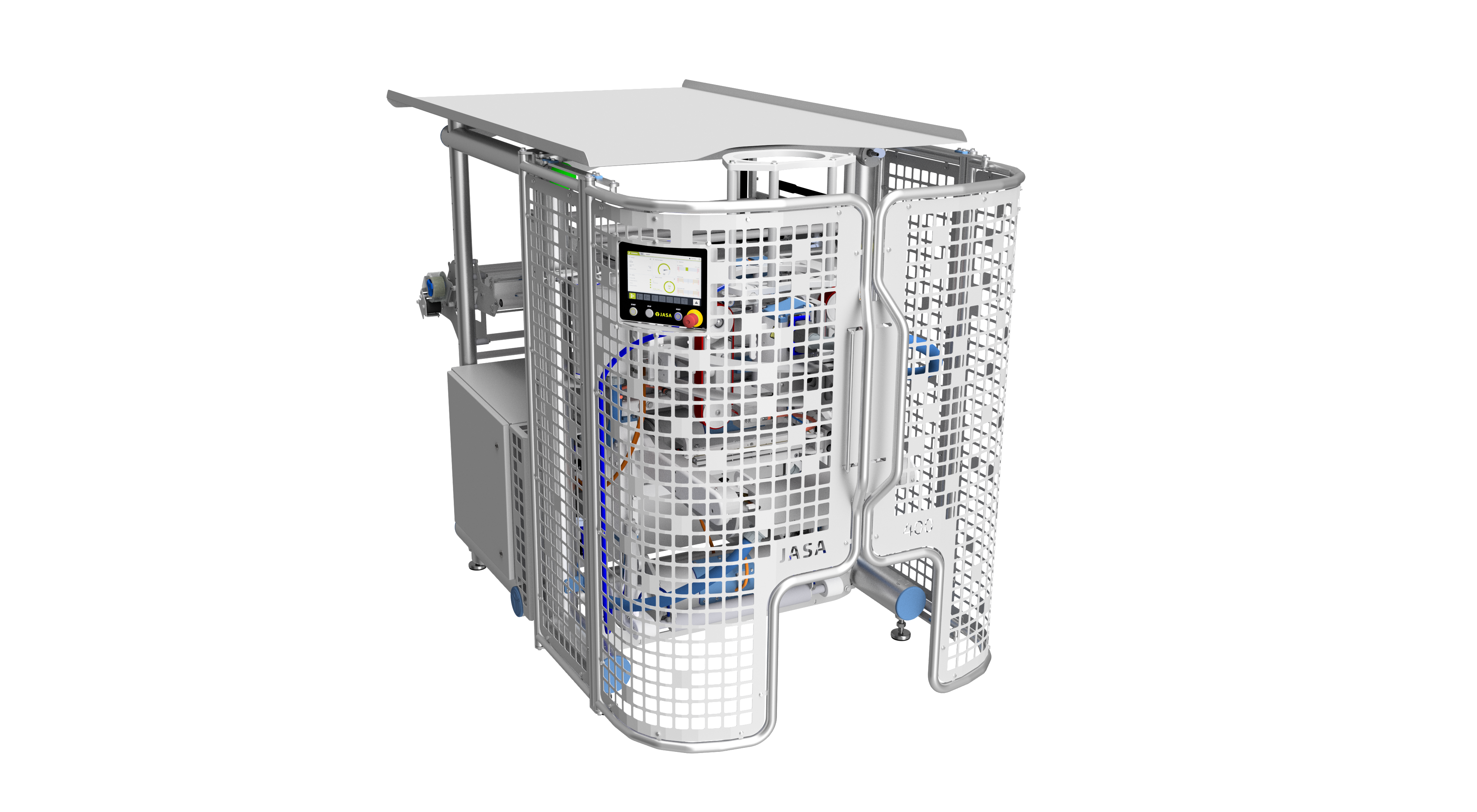
For fish and shellfish, we work with the JASA NXXT, a vertical packaging machine that is modular, hygienically built for high-care environments and fast to change over. But the right line selection doesn't start with the machine. It starts with your product and your situation.
Conclusion
Choosing the right vertical packaging line for fish doesn't start with comparing machine specifications. It starts with a sound understanding of your product, your production environment and what the market is going to ask of you in the years ahead.
Ask the questions before you choose. The costs of a wrong choice are too spread out to trace back to the purchasing decision after the fact.
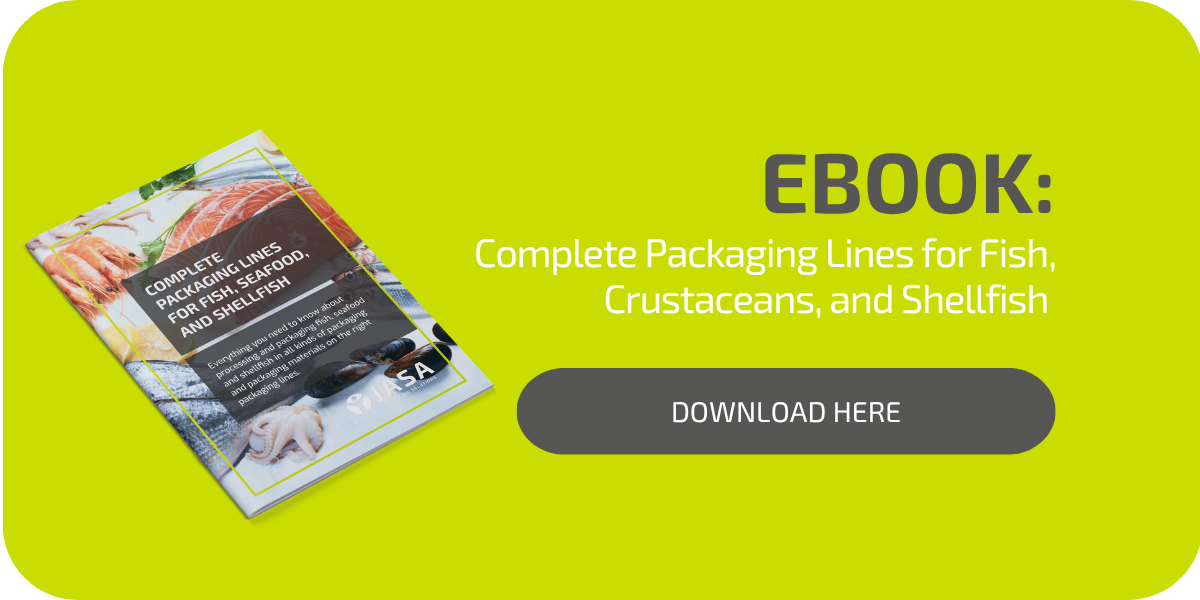
Want to know which vertical packaging solution best fits your fish or shellfish production? Download the e-book "Complete packaging lines for fish and seafood" and discover what's possible.