
%20(1).jpg)
%20(2).jpg)



%20(3).jpg)

.png)
.png)


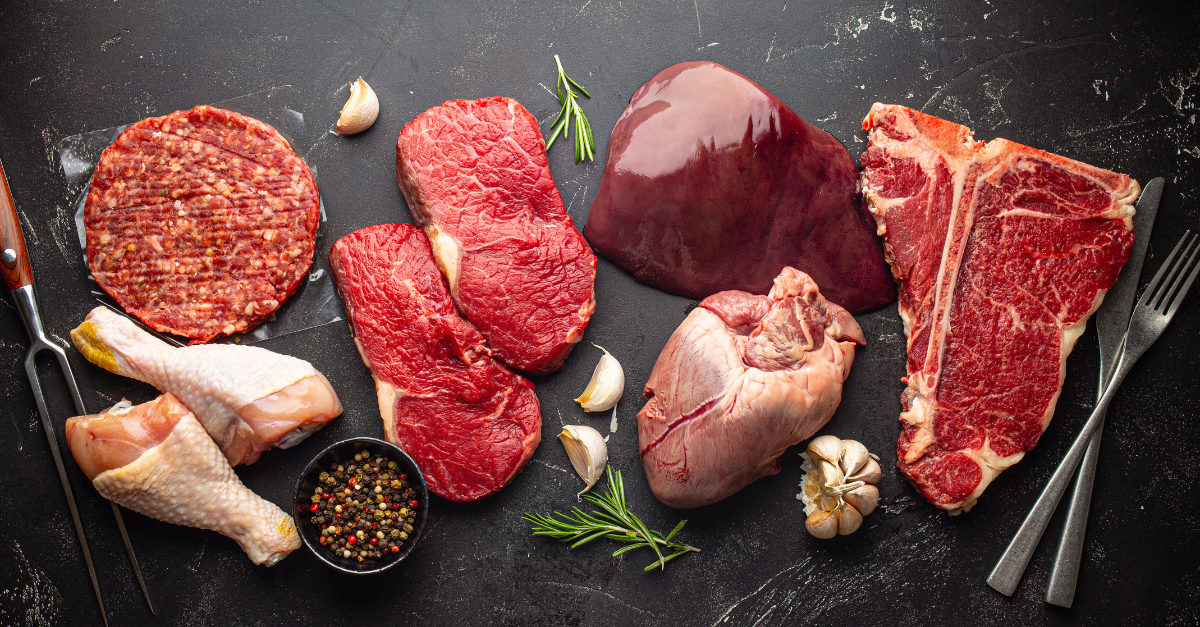
Your meat and poultry packaging line is running. Orders are getting out the door. But somewhere between the changeovers, the film settings and the cleaning cycle, a little is lost every day. Not all at once, but in small pieces that add up.
For meat and poultry, that loss concentrates in predictable places. Product variation is high, hygiene requirements are strict, and the market is asking for more SKUs with shorter runs. Each of those forces pulls at the same weak points in a vertical packaging line.
In this blog, we look concretely at where those losses sit, what they cost, and what a modern line does to reduce them structurally.
The pressure on your packaging line keeps building
Meat and poultry are products with a high degree of variation. Chicken cubes, drumsticks, chicken strips, processed products: every format, every weight, every product shape places different demands on weighing, packaging and hygiene. That has always been the case, but the context has changed.
More SKUs means changing over more often. Shorter runs mean less time to optimize the line before the next change is already due. A tighter labor market means the know-how to spot and correct small deviations is less reliably on hand.
At the same time, retailer demands are rising. Consistent quality, delivery reliability and flexibility are no longer differentiators. They are the minimum expectation. That combination shrinks the room for hidden loss. What was acceptable variation five years ago is now an operational risk.
Where your packaging line is already losing output today
Changeover time that creeps up without you seeing it
On paper, a format change takes a few minutes. In practice, that's the starting point, not the end point. Manual settings, fine-tuning after the change and small corrections to get the line stable again add minutes that aren't logged as downtime but weigh on it directly.
On a line with regular format changes, that adds up fast. Especially when settings aren't captured in the machine but live in the head of the operator who's been on it longest.
What this costs in concrete terms: the difference between an 8-minute and a 45-minute changeover quickly adds up to half a production block per week. That difference rarely comes down to machine speed, but to how reproducible the changeover is.
Weight deviations treated as normal
With meat and poultry, variation in portion weight is inherent to the product. The question isn't whether there's deviation, but how much. Every gram over target weight is margin you're giving away. Every pack that's too light leads to rejects or rework.
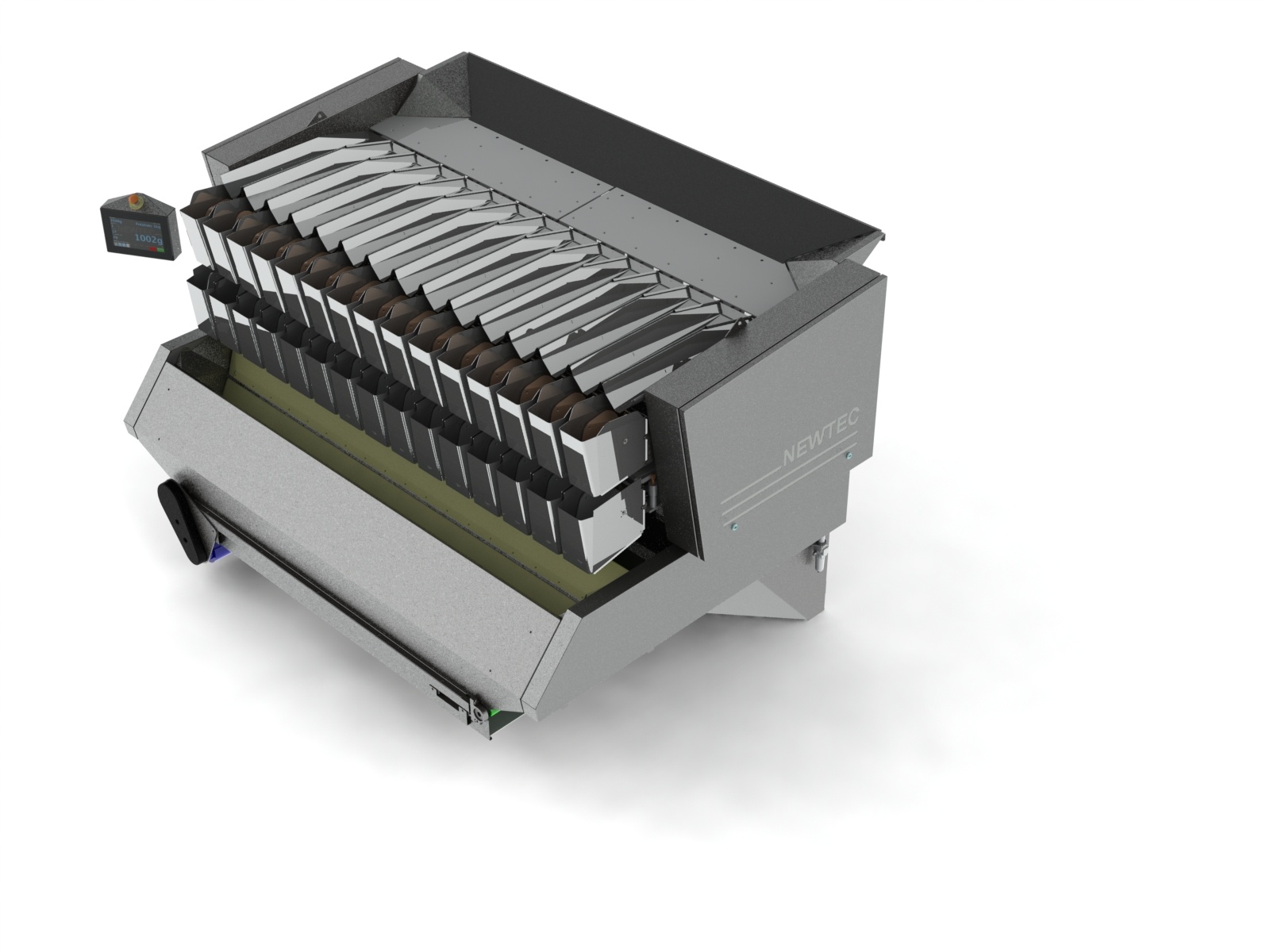
In practice, those deviations are often baked in as fixed loss. Yet a well-configured weigher, tuned to your specific product type, brings that loss down structurally.
What this costs in concrete terms: reject rates of 1 to 3% look small, but on an annual basis they translate into significant amounts of product and margin. Accurate weighing isn't a technical detail. It's a direct cost factor.
Cleaning time that eats into production time
Cleaning is a fixed part of the process, but in meat and poultry it's always under time pressure. The line has to be running again as quickly as possible.
Machines with hard-to-reach spots, build-up of product residue, or parts that take a long time to disassemble increase that time pressure. Under pressure, cleaning is sometimes less thorough than it should be. The result is a cleaning process that structurally takes more time than necessary, or is less thorough than is safe. Both carry a cost.
What this costs in concrete terms: a machine that needs twenty extra minutes to clean costs nearly two hours of production time per week. Over a year, that's a substantial capacity item that never gets reported as such.
Operator dependency that makes performance variable
An experienced operator knows how the line responds. They adjust the seal pressure when the film changes, spot a hiccup early and know which small correction keeps the line stable. That knowledge is valuable, but vulnerable.
The moment that operator isn't there, the line performs differently. Not dramatically, but consistently lower. The cause isn't the machine, but the lack of captured settings and reproducible processes.
What this costs in concrete terms: variation in output per shift is rarely linked directly to operator changes, but the connection is there. A line that performs on the basis of captured processes rather than individual experience is more robust, regardless of who clocks in that morning.
The impact on your operation: concrete
The characteristics above aren't abstract properties. They translate into measurable results.
A changeover time brought down from 45 to 8 minutes quickly yields an extra production block per 8-hour shift. Automatic settings reduce dependency on experienced operators, which has a direct effect on your staffing. Lower giveaway through accurate weighing raises the margin per pack. Improvements that, on an annual basis, make the difference between a line that runs and a line that performs.
From tray to bag: a trend that affects your line
The market for meat and poultry is moving toward bags. In retail, in foodservice and in processed products, demand for bag packaging is growing at the expense of trays. Less material, lower cost, suitable for sustainable films and processable at high speed.
But that shift places different demands on your line. Thinner films call for precisely set sealing systems. Switching between formats and material types calls for a machine that can handle that flexibility without compromising output or seal quality.
If your current line is set up for one film type or one packaging format, that flexibility becomes a bottleneck. Not today, but the moment your customer asks for it.
What a modern vertical line does structurally differently
A modern vertical packaging line for meat and poultry addresses these loss points not with extra steps, but with a different design. Captured recipes that make changeovers repeatable. Weighing accuracy tuned to the variation of your specific product. A hygienic frame that speeds up cleaning instead of slowing it down. And data insight that flags deviations before they lead to rejects.
These aren't features you add on. They're the properties that determine whether your line can still handle what the market asks of you five years from now.
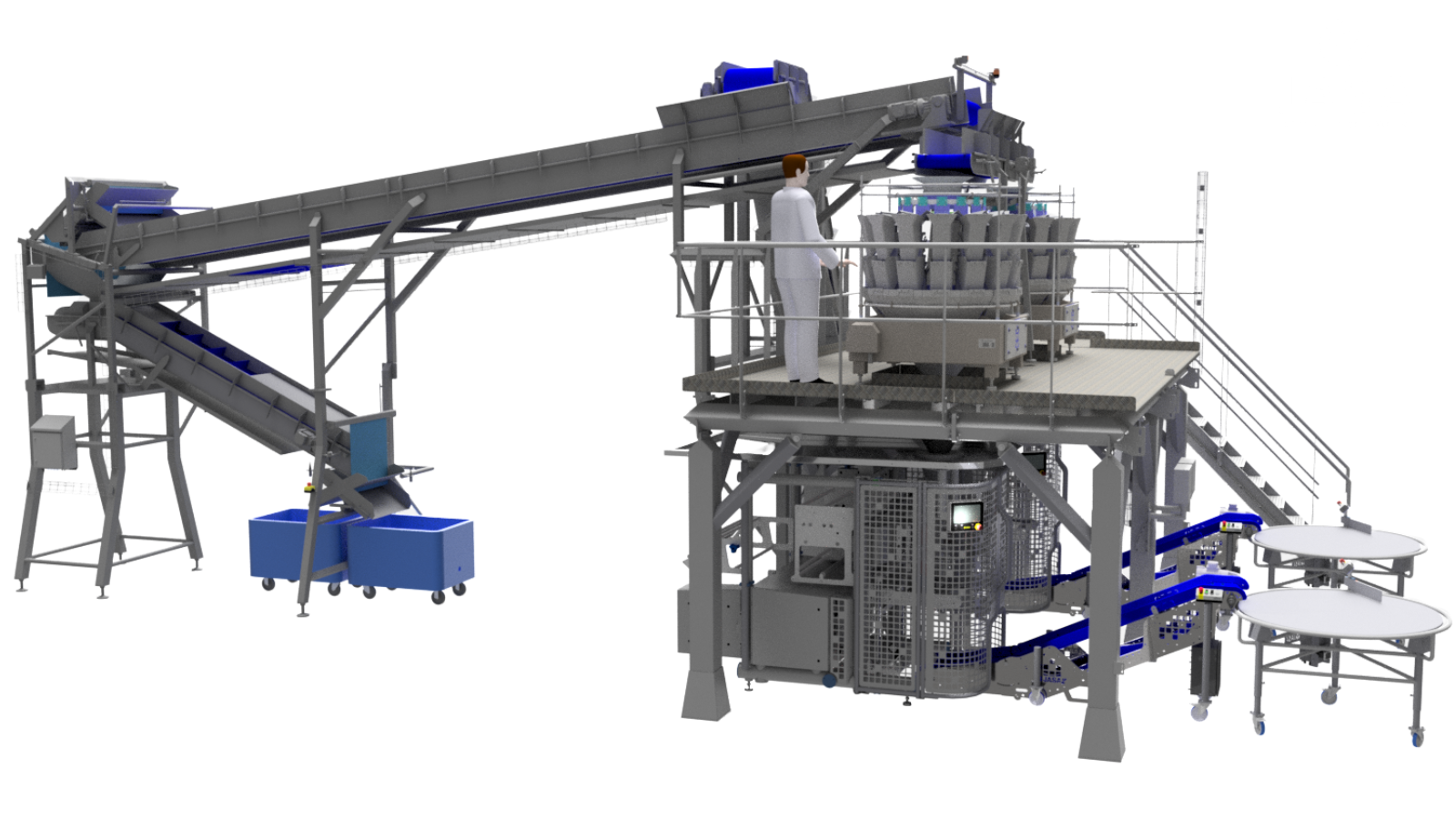
How JASA approaches this for meat and poultry
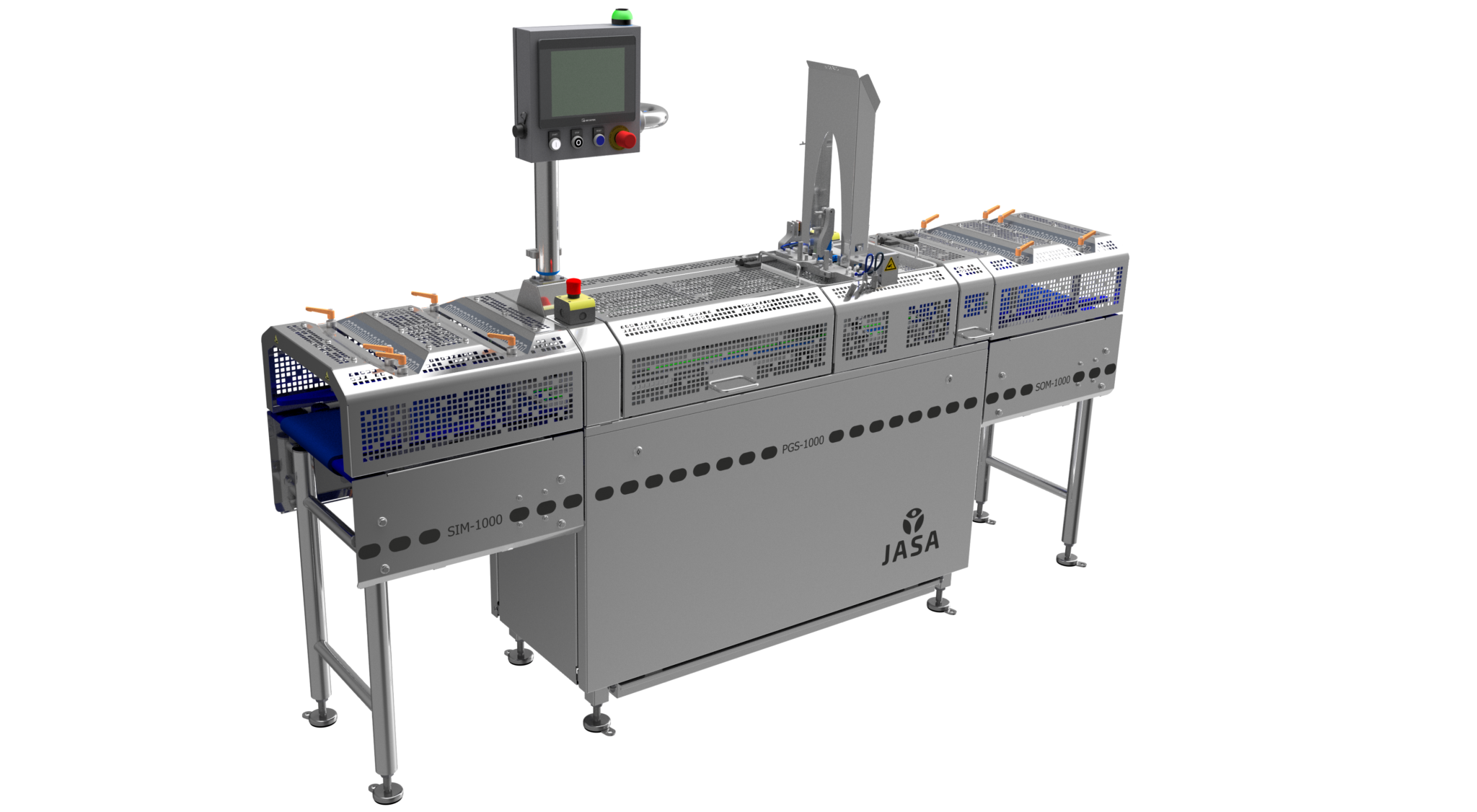
JASA has been building complete packaging lines for meat and poultry for over 40 years across the Benelux, Germany, Austria and Switzerland. Not as a machine supplier, but as a turnkey integrator: from weighing solution to complete line, including installation and service.
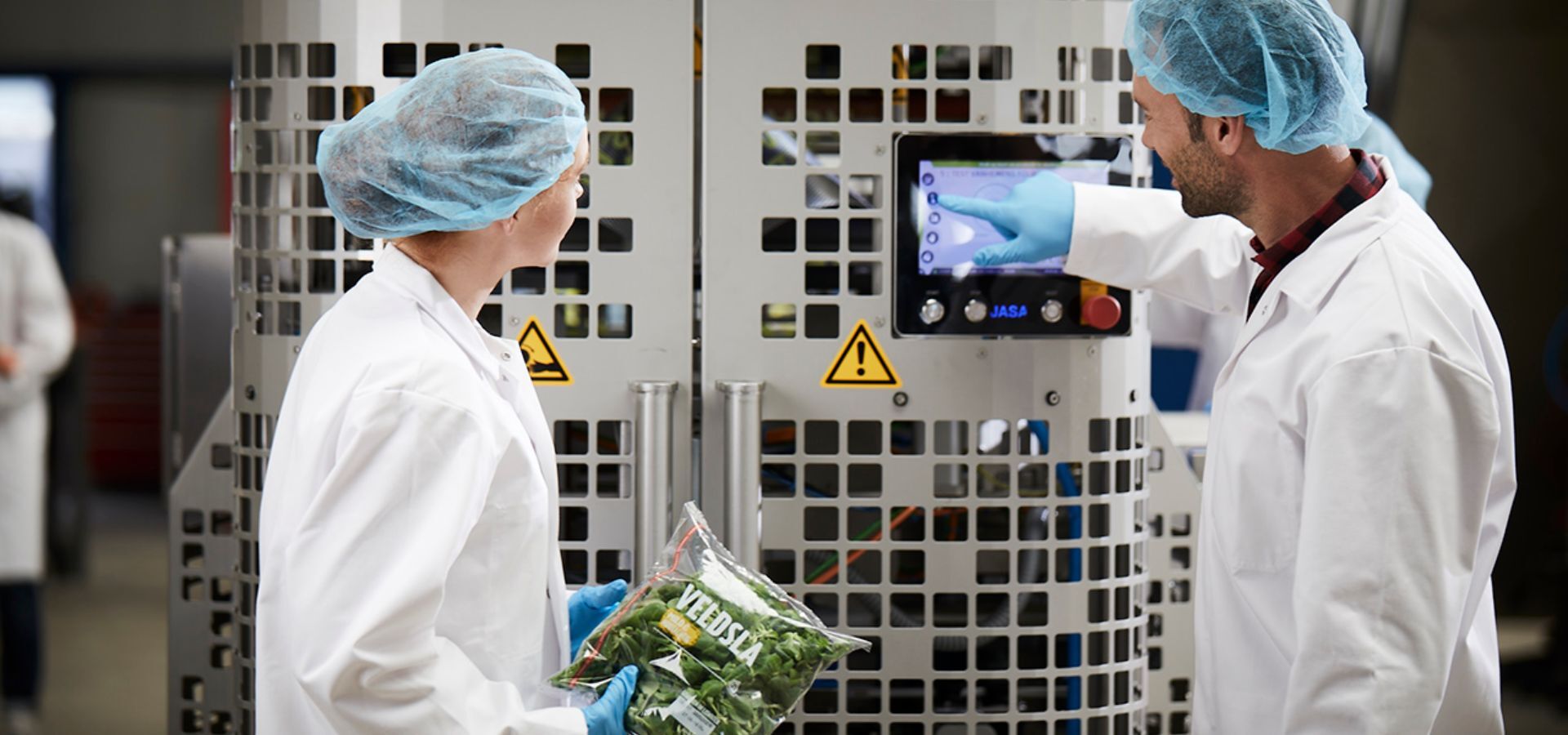
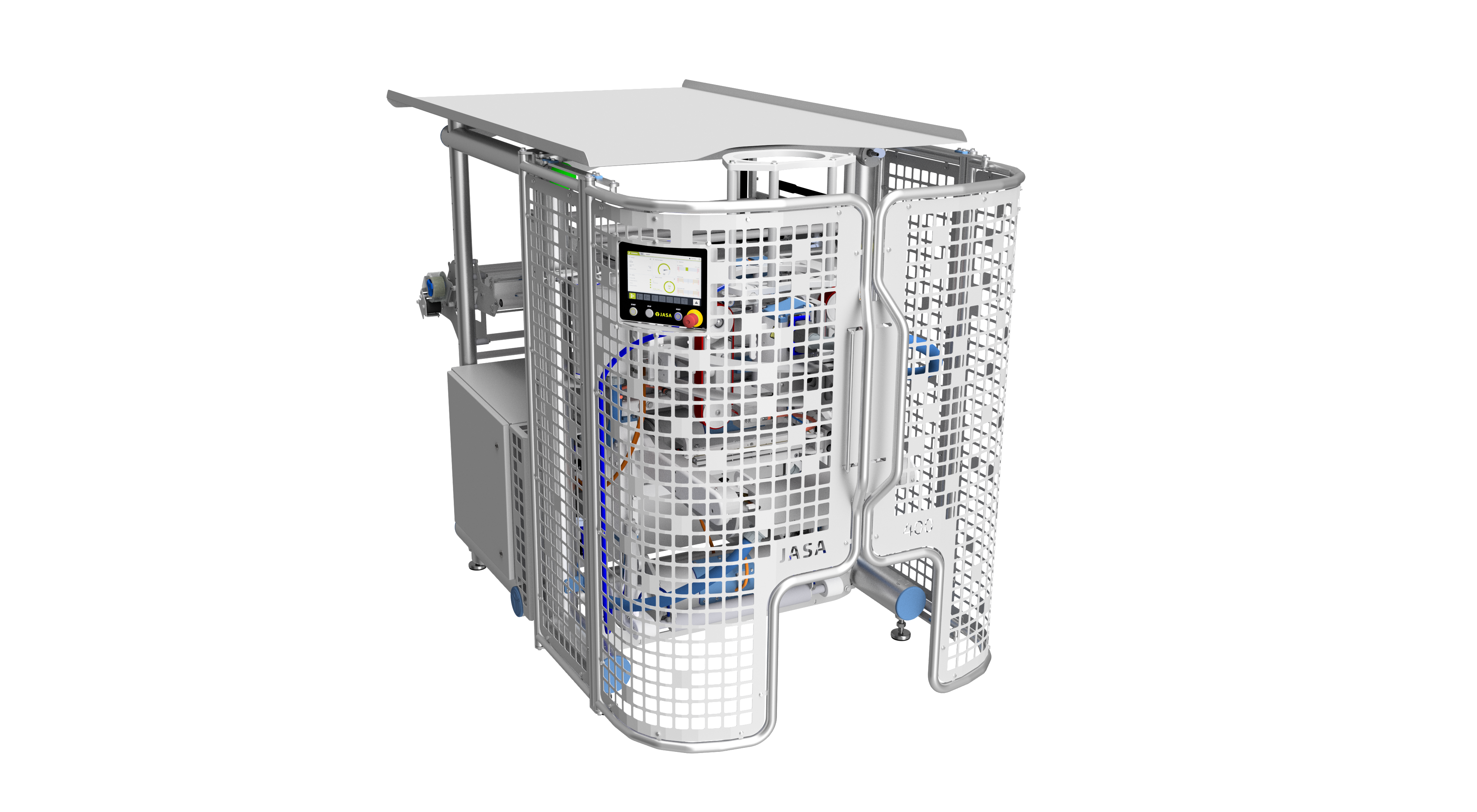
The JASA NXXT is our latest generation of vertical packaging machine: modular and specifically designed for high-care environments and high flexibility. Configurable for multiple product types, built for fast format changes and equipped with data monitoring via JASA-connect™ that enables proactive maintenance.
Conclusion
The losses in a vertical line for meat and poultry are rarely spectacular. They sit in the changeover that overruns, the weight deviation treated as normal, and the cleaning cycle that takes a little longer than necessary. Barely noticeable day to day, a substantial item over the year.
A line that does this structurally differently starts with a design built for it.
Want to know how a modern vertical packaging line can improve your production in concrete terms? Download the e-book "Complete packaging lines for meat and poultry" and discover what's possible in your situation.
Download the e-book