%20(1).jpg)
%20(2).jpg)

%20(3).jpg)
.png)
.png)


Introduction
Everyone in CEA recognizes it. Lines are running, volumes are increasing, yet finding, let alone retaining well-trained personnel is becoming increasingly difficult. Vacancies remain open longer, new operators need time to get fully up to speed, and experienced staff are scarce. That dependency on people exposes where the process becomes vulnerable.
Operations are usually stable. That is precisely why the focus shifts: not whether the process runs, but how robust it remains as volumes increase and teams do not grow at the same pace. It becomes clear that scalability ultimately depends on the reliability of weighing and packaging lines.
Tighter margins, higher expectations
CEA leafy greens production is continuous and tightly organized. The market expects the same quality, the same volumes, and the same delivery reliability every single day. That means downtime or small deviations immediately impact planning, output, and margin. A missed retail cut-off, excess giveaway per pack, or an hour of unplanned downtime is not a minor issue; it directly affects profitability.
For operators, this translates into working with very little recovery time. A small weight deviation, a short interruption, or a malfunction during a product changeover can quickly lead to product loss, rework, or shipping delays. The pressure becomes tangible when orders must go out and there is no room to recover lost time. In those moments, the line must simply perform, without additional corrections or manual intervention.
The daily reality on the production floor in CEA leafy greens
Does this sound familiar? New employees need time to properly learn how to operate lines and equipment, while experienced operators ensure the process keeps running. Cleaning and maintenance require careful planning, simply because additional capacity is not readily available.
As long as knowledge and experience are present, operations remain predictable. But as volumes grow without proportional team expansion, it becomes clear how critical stable processes are, processes that do not rely on individual intervention.
Why automation and integrated lines make sense
More is being demanded from the line, while organizations cannot scale personnel indefinitely. That makes reliability not a nice-to-have, but a prerequisite.
Automation plays a key role in this. Not to run faster, but to make processes repeatable and controllable. The better the line is designed as a cohesive whole, the less operators need to make corrections.
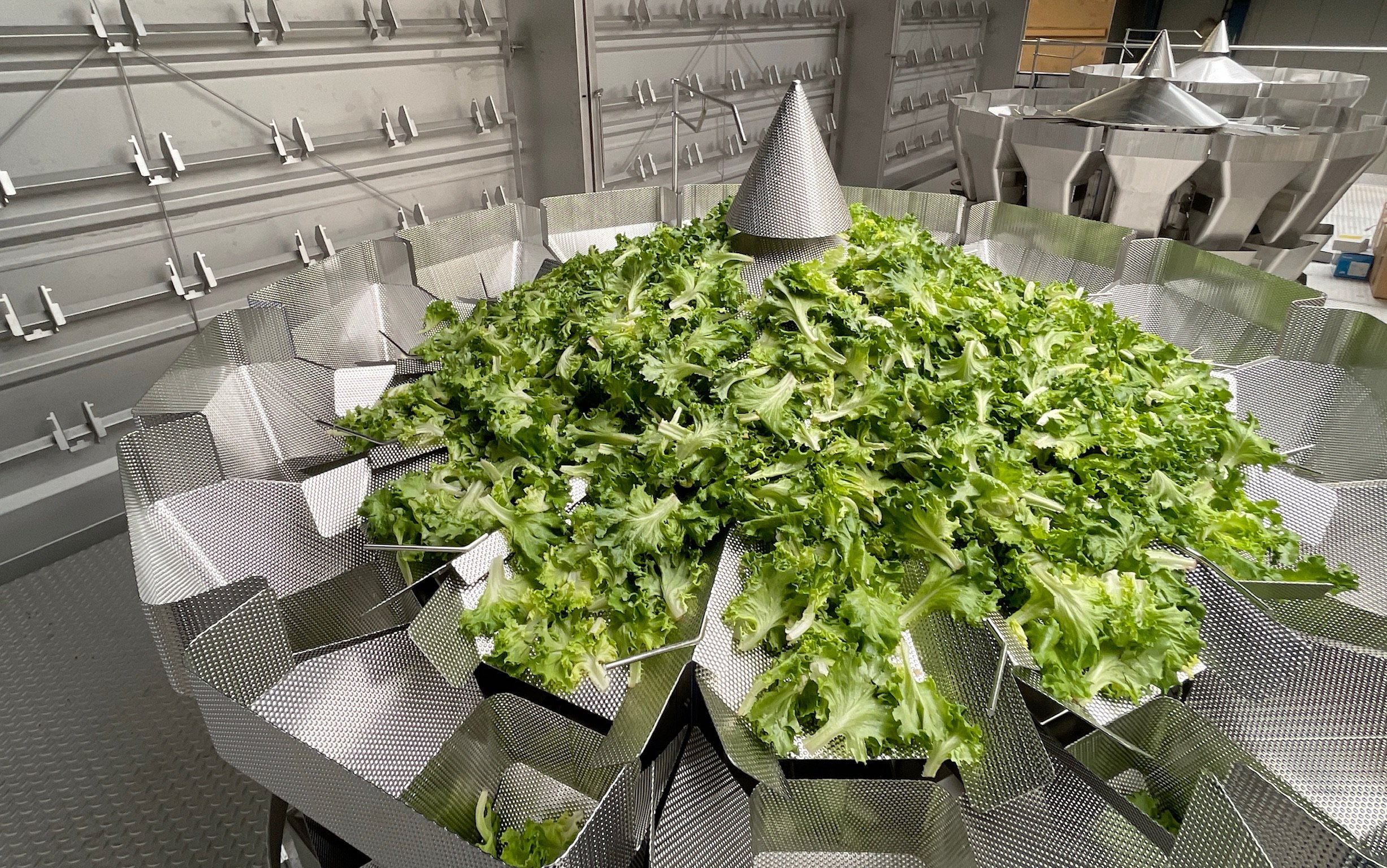
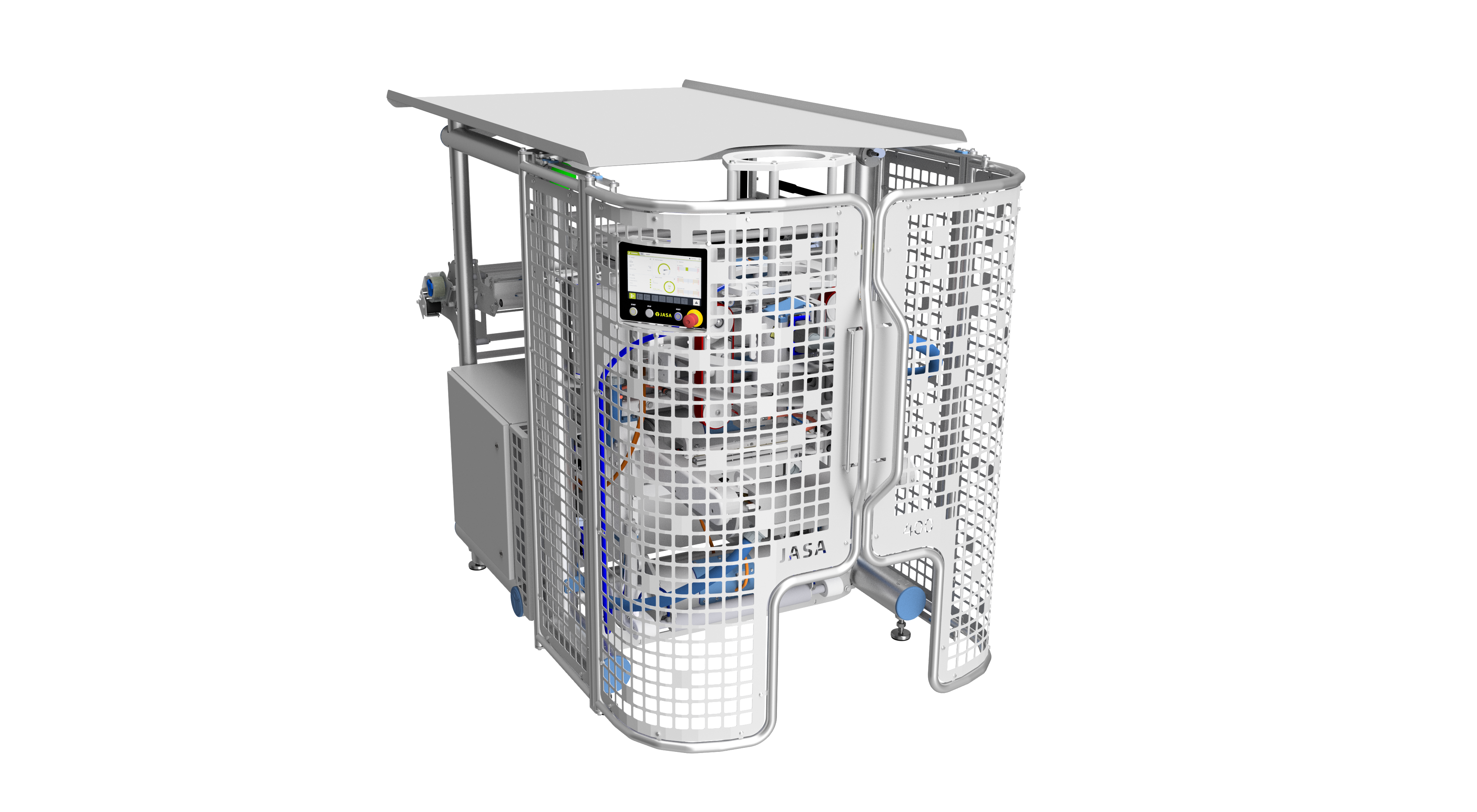
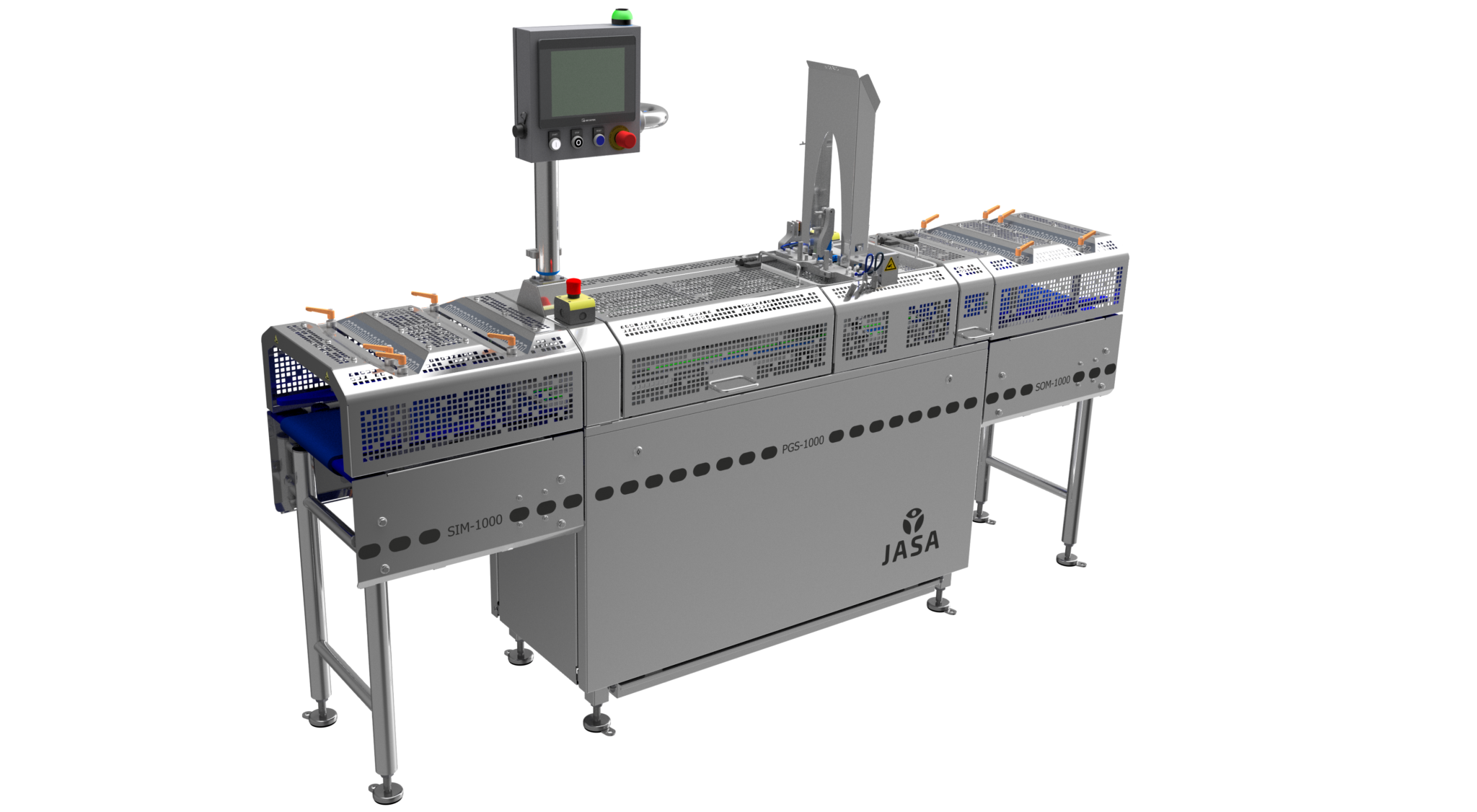
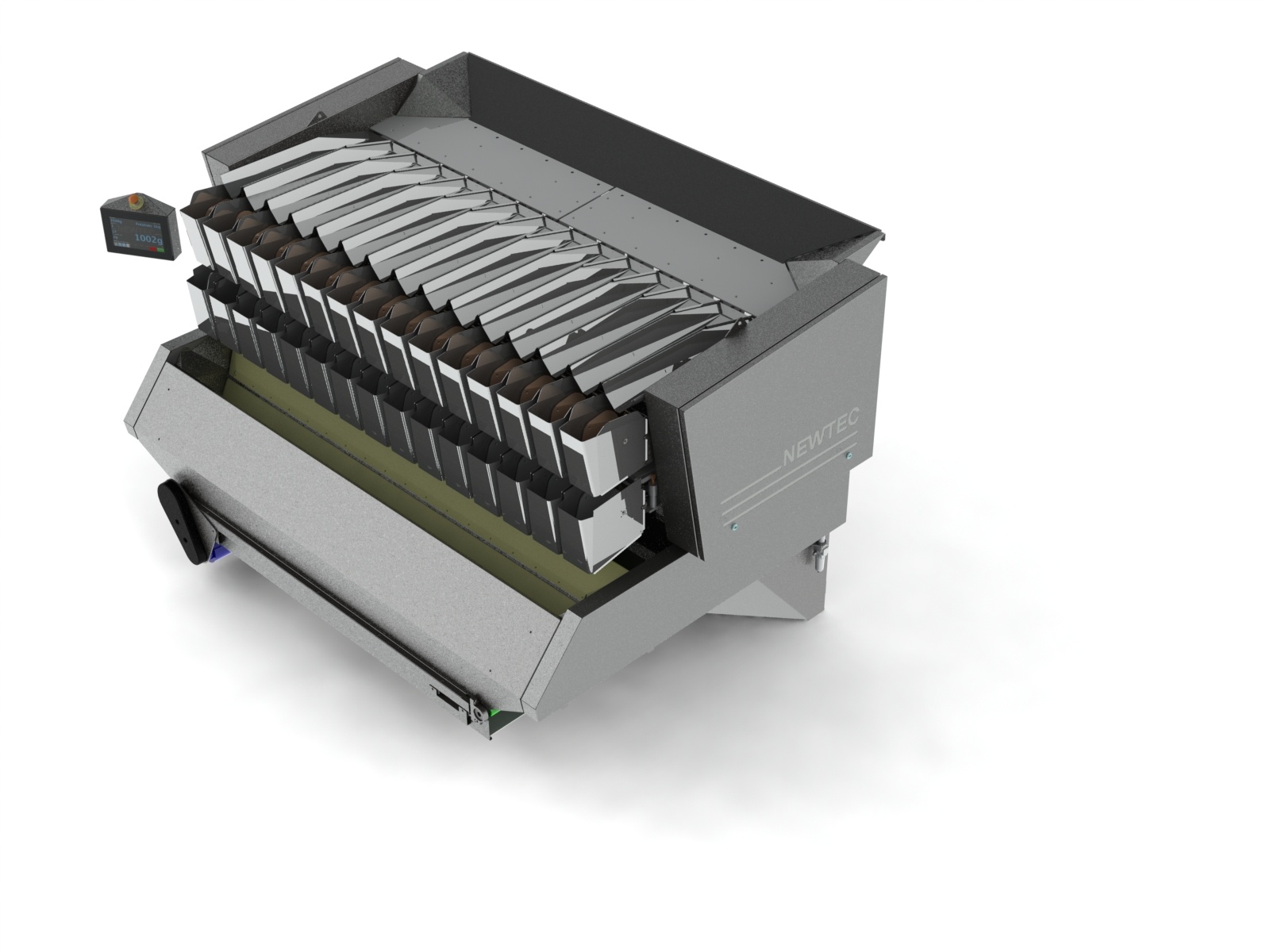
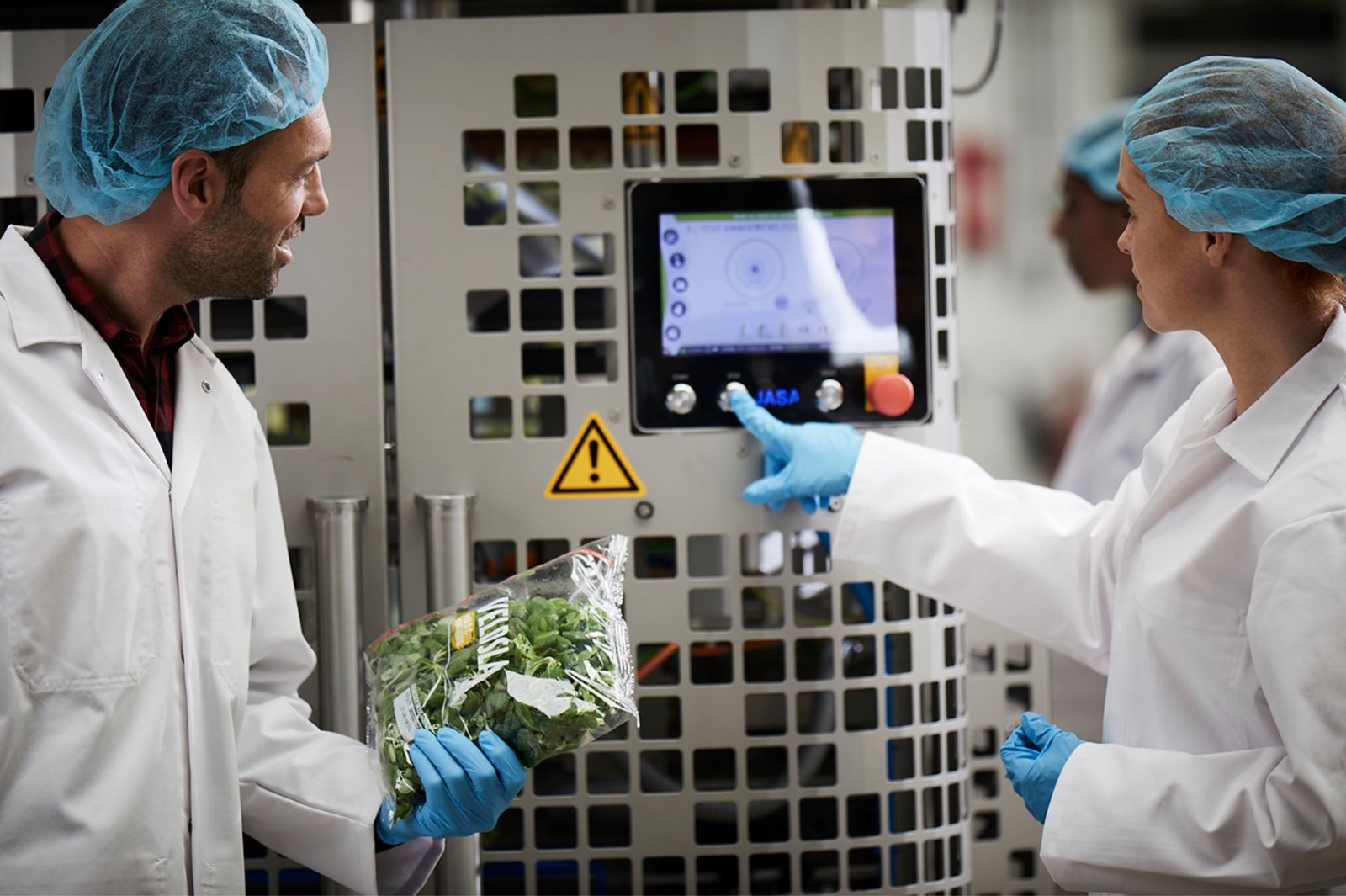
That is precisely why producers choose integrated solutions such as JASA’s lines, a supplier of complete weighing and packaging lines for CEA leafy greens. By combining weighing, packaging, hygiene, and output within a single line concept, the result is a process that delivers stability and predictability.
This integration makes it possible to fine-tune lines with precision. Product losses are minimized, giveaway is reduced, and quality remains consistent, even at high output levels. Operators maintain oversight and control.
That is where automation within an integrated line concept proves its value: reduced dependency on individual experience and greater operational continuity.
Conclusion
In CEA leafy greens projects, the key to scalability is shifting from people to process. Not because people are less important, but because excessive reliance on manual intervention poses a risk to continuity. Scalability is increasingly defined by reliable, integrated weighing and packaging lines.
Organizations that anticipate this shift design their lines so that people support the process, not carry it.
.png?width=476&height=429&name=Trend%20report%20ENG%20(2).png)
Want to understand which trends are further reinforcing this development? Download the Leafy Greens Trend Report for a comprehensive overview of market developments within CEA.